%2Ffit-in%2F250x250%2Fguide_websites%2F19439%2Fimages%2F1729872587935screenshot2024-10-25223415.png&w=1920&q=100)
/users/47bf8443-0ad9-413f-a5b6-61af8d482a82/ratecard/bull-trout-astoria-fishing.jpg)
%2F300x300%2Fusers%2F47bf8443-0ad9-413f-a5b6-61af8d482a82%2Fratecard%2Fbull-trout-astoria-fishing.jpg&w=256&q=75)
%2F300x300%2Fusers%2F47bf8443-0ad9-413f-a5b6-61af8d482a82%2Fimages%2Ffishing-fun-astoria-2544.jpg&w=256&q=75)
%2F300x300%2Fusers%2F47bf8443-0ad9-413f-a5b6-61af8d482a82%2Fimages%2Fsea-trout-fishing-oregon-2486.jpeg&w=256&q=75)
%2F300x300%2Fusers%2F47bf8443-0ad9-413f-a5b6-61af8d482a82%2Fimages%2Fanglers-astoria-fishing-2518.jpeg&w=256&q=75)
%2F300x300%2Fusers%2F47bf8443-0ad9-413f-a5b6-61af8d482a82%2Fimages%2Ffishing-adventure-oregon-2375.jpeg&w=256&q=75)
%2F300x300%2Fusers%2F47bf8443-0ad9-413f-a5b6-61af8d482a82%2Fimages%2Fpink-salmon-fishing-astoria-2474.jpeg&w=256&q=75)
%2F300x300%2Fusers%2F47bf8443-0ad9-413f-a5b6-61af8d482a82%2Fimages%2Fcoho-salmon-astoria-fishing-2437.jpeg&w=256&q=75)
%2F300x300%2Fusers%2F47bf8443-0ad9-413f-a5b6-61af8d482a82%2Fimages%2F6-bluefish-caught-fishing-trip-2524.jpeg&w=256&q=75)
%2F300x300%2Fusers%2F47bf8443-0ad9-413f-a5b6-61af8d482a82%2Fimages%2Fbest-catch-of-pink-salmon-2480.jpeg&w=256&q=75)
%2F300x300%2Fusers%2F47bf8443-0ad9-413f-a5b6-61af8d482a82%2Fimages%2Fchinook-salmon-astoria-fishing-2447.jpeg&w=256&q=75)
Beginner-Friendly Columbia River Fishing in Astoria
 Astoria
What you will be catching:
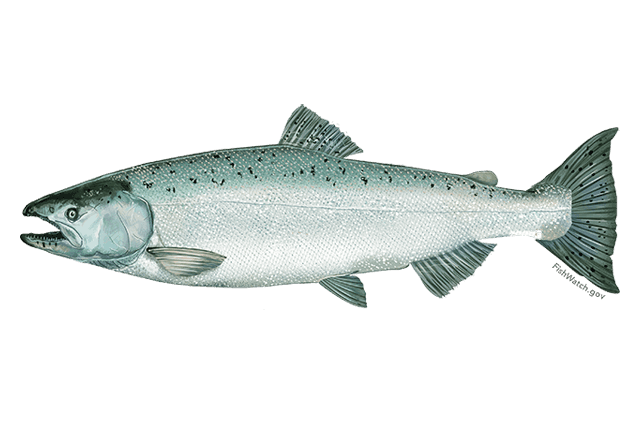
 Chinook Salmon
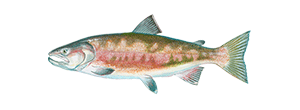 Chum Salmon
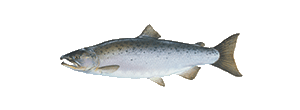 Coho Salmon
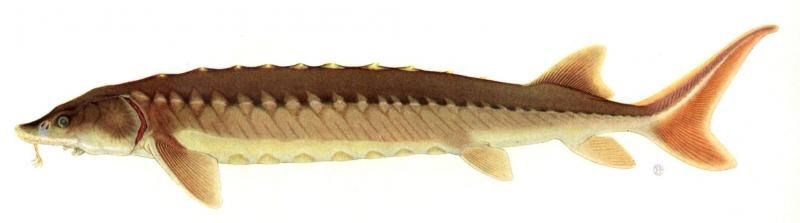 Shortnose Sturgeon
- 6-hour Columbia River fishing trip targeting salmon and sturgeon
- Complete equipment and expert guide instruction included for all skill levels
- Accommodates two guests with flexible 6 AM start time and deposit required
Trip Pricing and Availabilities:
Reel in Salmon & Sturgeon on the Columbia
Hey there, anglers! Ready to wet a line in some of the best salmon and sturgeon waters on the West Coast? Fish Food Guide Service has you covered with our beginner-friendly half-day trip right here in Astoria, Oregon. We'll get you out on the mighty Columbia River bright and early, showing you the ropes and putting you on fish. Whether you're brand new to fishing or just looking to hone your skills, this 6-hour adventure is the perfect intro to PNW angling.
What to Expect on the Water
We kick things off at 6 AM sharp (though we can flex that time if needed). You'll meet your guide at the dock, hop aboard our fully-equipped fishing boat, and head out to where the bite's been hot. No need to bring any gear - we provide all the rods, reels, and bait you'll need to land some lunkers. Your guide will walk you through everything from baiting hooks to reading the river, so don't sweat it if you're green. We keep our trips to just 2 guests max, ensuring you get plenty of one-on-one instruction and prime fishing spots. Over the course of 6 hours, we'll target both salmon and sturgeon using tried-and-true local techniques. And hey, if you hook into a big one, be ready for a fight - these river monsters don't give up easy!
Techniques That Hook Fish
On this trip, we'll introduce you to some classic Columbia River fishing methods. For salmon, we often use a technique called trolling. We'll rig up with downriggers to get our lures down deep where the fish are holding. As we slowly cruise productive areas, those lures dance enticingly behind the boat. When a salmon strikes, it's game on! For sturgeon, we typically anchor up and fish straight down with heavy tackle. We'll use smelly bait like squid or salmon eggs to attract these bottom-dwelling bruisers. When you feel that telltale thump, set the hook hard and hang on tight. Sturgeon are known for epic battles and acrobatic leaps. Your guide will be right there coaching you through every cast, hook set, and fish fight. By the end of the day, you'll have a solid grasp on these local fishing tactics.
Species You'll Want to Hook
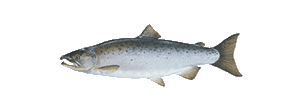
Coho Salmon: Also known as silvers, these acrobatic fighters are a blast to catch. Coho typically run 6-12 pounds and are known for their spectacular leaps when hooked. They start showing up in the Columbia around July, with peak fishing in September and October. Their orange-red flesh is prized for its rich flavor.
Chinook Salmon: The kings of the Pacific salmon world, Chinooks (or king salmon) are the heavyweights you're after. These brutes can top 50 pounds, though 15-30 pounders are more common. They migrate through the Columbia spring through fall, with the famous "June Hogs" being especially sought after. Chinooks put up a dogged fight, often making powerful runs that'll have your drag screaming.
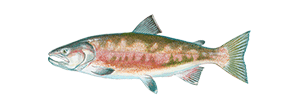
Chum Salmon: While not as popular for eating, chum (or dog salmon) can still provide great sport. They typically weigh 7-15 pounds and are known for their tenacious fights. Chums run later in the season, usually peaking in October and November. They're identifiable by their calico coloration and pronounced teeth.
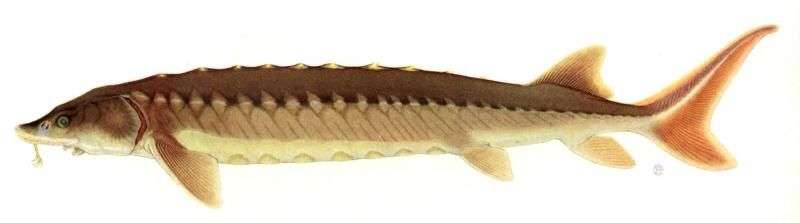
Shortnose Sturgeon: These prehistoric-looking fish are the smallest of the Columbia's sturgeon species, but still pack a punch. They average 3-4 feet in length and can live up to 100 years. Sturgeon are bottom-feeders, so we'll target them with bait near the river floor. When hooked, they use their powerful bodies to make strong runs and even leap clear of the water. It's an unforgettable experience to bring one of these living fossils boatside.
Why Anglers Keep Coming Back
There's something special about fishing the Columbia River estuary. The misty mornings, the snow-capped Cascades in the distance, and the chance at hooking into a true river monster - it all adds up to an experience you can't get anywhere else. Our guests love how accessible we make it for beginners. You don't need any fancy gear or years of experience to have a successful day out here. Just bring a good attitude and be ready to learn. Plus, there's nothing quite like the rush of battling a big salmon or sturgeon on the end of your line. Even if you don't land a lunker, the memories of your day on the water will last a lifetime. And who knows? You might just catch the fishing bug and want to come back for more!
Time to Book Your Spot
Alright, folks - if you're itching to get out on the Columbia and try your hand at some world-class salmon and sturgeon fishing, now's the time to lock in your trip. Remember, we keep our groups small to maximize your experience, so spots fill up fast. A small deposit is all it takes to reserve your adventure with Fish Food Guide Service. Whether you're a total newbie or just looking to sharpen your skills, we've got you covered. Bring your sense of adventure, and we'll handle the rest. The salmon are running, the sturgeon are biting, and the river's calling your name. Let's get you out there and put some bend in that rod!
Learn more about the species
Chinook Salmon
# Chinook Salmon (Oncorhynchus tshawytscha) Chinook salmon is also known as King Salmon and is the largest of the Salmon species. It is a popular game and commercial fish. Oncorhynchus tshawytscha is similar to its brethren Coho salmon and Rainbow trout. King Salmon has silver sides and blue-green back. It has black spots on the head, back, tail, and all the fins. It also has a black mouth and gums. Wild salmon are well known for their hard fighting ability and excellent table fare. ## Chinook Salmon Size and Weight Chinook salmon is a large fish and it can grow from 12 to 39 inches and weighs around 7 to 15 pounds. But depending on the habitat, weight can exceed 20 - 30 pounds. ## Chinook Salmon Interesting Facts • They can live up to 7 years. • This specie is anadromous. They migrate to Seawater and later return to spawn in freshwater. • Oncorhynchus tshawytscha die soon after spawning. • King salmon have reddish-pink or orange meat. • Males are more colored than females and have a distinguished nose and upper jaw. • Chinook salmon leaves a water body if the habitat starts degrading, making it a good indicator of the water conditions. ## Chinook Salmon Habitat Young Chinook salmon can be found in freshwater and estuaries. Adults move into the open Ocean for better nutrition and food. The fish can also be found in cold streams, especially in hiding places such as tree roots. Snow melting into lakes and streams also helps their environment. ## Chinook Salmon Spawning Chinook salmon are ready to spawn from 2 to 7 years of age. Female makes redds or gravely nests and lays the eggs. Depending on spawning time and temperature, hatching takes place in early spring or late winter. ## Chinook Salmon Food Young Chinook salmons feed on plankton, insects, small fish, and invertebrates. Adult Salmon in Ocean also enjoy many organisms such as sand lance, pilchards, squids, herrings, and crustaceans. ## Chinook Salmon Fishing Chinook salmon is sensitive to light so they stay at water bottom mostly. So, anglers should use weighted baits. The best time for fishing them is early morning or in the evening. Ship Creek in Anchorage, Alaska, and Lake Oahe in South Dakota are among the top spots to fish them. • Fly fishing King salmon is very exciting, but keep in mind to not swing too far and keep the fly swimming in water. • When Salmon fishing in lakes, down-rigging and trolling works best. • Anglers can also still fish in deep water using a herring. • Trolling is also an effective method using plugs, spoons, live or dead bait. ## Chinook Salmon Baits and Lures Fly Fishing: when selecting flies for king salmon, most of the time exact fly pattern is not overly important. However, depending on a bunch of variables (light, water levels, location, etc.) fly color can make a big difference. Some examples include rhea tube intruders, bunny leeches, marabou tubes, shanked intruders, minnows. On a bright day lean towards bright color combos like chartreuse/blue or pink/orange, and for cloudy/dark days blue/black and purple/black color combos. Other Fishing: Use of plugs, spoons, trolling flies, live or dead bait, sand shrimps ## Chinook Salmon Distribution Chinook can be found in the colder water of the Pacific Ocean from the coast of Alaska, Western Canada, Oregon, Idaho, Washington State, and Northern California. It has been introduced in Great Lakes of United States and can also be found in Japan and Russia.
Chum Salmon
Chum salmon (Oncorhynchus keta) Fish Description
The Chum Salmon is an underrated game fish that thrives in both fresh and saltwater. In the ocean, they are blue-green in color and have a silvery appearance (which helps them blend in the ocean), but when they are fully matured and return to freshwaters, they change to olive-green with pink stripes. Females change to brown-grey with a large dark horizontal bar. They eat a variety of prey such as small fishes, mollusks, and squids.
Interesting Facts about the Chum Salmon
- They are anadromous, meaning they mature in the sea then travel back to freshwaters to spawn.
- Matured male chum salmons develop their snouts into a hook-like shape called ‘kype’ and large canine teeth which they use to fight with other males. Females have kypes too but they’re less noticeable compared to males.
Size and Speed of the Chum Salmon
The chum salmon is medium size fish that averages 24 inches in length and between 9.7 to 22 lbs in weight. The world record for the chum salmon is 42 lbs and 44 inches. The average speed of chum salmon is 1-1.8 mph.
Habitat and Distribution of the Chum Salmon
Out of all the salmons, the chum salmons make the longest migration. They can travel up to 2000 miles from the ocean to the rivers where they were born to spawn. Spawning usually happens during fall, but sometimes it happens in late summer. The eggs will hatch in winter and the fries will hide under branches, water plants, and rocks to survive and feed. As they grow bigger, they become more adept at saltwater and slowly make their way to the oceans.
Their preferred depths in the ocean are usually around 42 feet but at night they swim near the surface, around 16 feet. The preferred temperatures of adult chum salmons are between 39.92 to 77.9°F. The chum salmon fry meanwhile prefers temperatures between 53.6 to 57.2°F.
Out of all the salmons in the Pacific, the chum salmon is the most distributed. They can be found throughout the North Pacific Ocean to the Arctic coasts of Canada. Fishing spots for chum salmons are located in Stave River, Harrison River, Chilliwack River, Puget Sound, Yaquina Bay, Oregon, the West Coast, and throughout Alaska.
How to Catch Chum Salmon
Anglers love fly fishing chum salmons in their prime, they can give you a tough battle and they’re also good to eat. One of the most preferred methods is through sight casting. They are said to be pretty easy to catch but they’re also easy to spook. So don’t cast your line right in the middle of the school or an individual. Just cast your line a few feet off the edge from the school. In the ocean, make sure to set your gear to depths of 15-40 feet.
The recommended gear for chum salmon fly fishing is a 7-9 weight fly rod with a full floating line or semi-floating. The mainline should be between 20-25lb combined with a 15-20lb monofilament leader. A clicker reel is more reliable but a drag reel will also be fine. Use a weight of ½ to 2 oz to reach the desired depth.
For the lures, use chartreuse-colored flies to capture the attention of the fish. Other colors such as pink and purple have been reportedly successful too. For baits, what anglers usually use are prawns.
Coho Salmon
# Coho Salmon (Oncorhynchus Kisutch) Coho salmon is a famous sport and commercial fish. It is very acrobatic in nature and is a good fighter. It is also known as silver salmon. The fish is similar to Chinook salmon (but not as large), Rainbow trout and Brook trout. Wild Salmon is well-known for its tremendous taste. Coho Salmon has dark blue-green back, silversides, and white belly. Black spots are present on the back and upper sides of the tail. Mature Coho Salmon has maroon to reddish sides and dark backs. ## Coho Salmon Size and Weight Coho Salmon can be 12 to 30 inches long and weighs about 8 to 12 pounds. Silver Coho caught from the Great Lakes, weighed 33 pounds 4 ounces and so, holds the world record. ## Coho Salmon Interesting Facts • The fish, Oncorhynchus Kisutch, is anadromous in nature. • They die soon after spawning. • Silver Salmon has a bright orange/red meat. • Males have extended upper and lower jaw developing a hook (kype), making it impossible for them to close their mouths. • Coho salmon is said to live up to 5 years. • This fish can jump vertically up to 6 feet. ## Coho Salmon Habitat They tend to live in calm and quiet areas under debris and can be found in large rivers connected to the ocean. During the early stage, the juvenile Coho salmon spends its time in freshwater. After growing a bit, the fish moves to live in estuaries or brackish water (mix of fresh and saltwater) and later migrates into the ocean. ## Coho Salmon Spawning A female Oncorhynchus Kisutch is ready to spawn at age of 3. Gravel nests are made by the female and fertilized eggs are laid. Eggs hatch in 6 to 7 weeks. Depending on the temperature of the water, eggs hatch in late winter or early spring. ## Coho Salmon Food Coho Salmon can eat aquatic insects, smaller fishes, squid, herrings, pilchards, crustaceans, and sand lance. ## Salmonidae Family Coho salmon share the Salmonidae species order with trout. Other popular salmon include the Sockeye salmon (red salmon), Chinook salmon (King salmon), Atlantic salmon, Pink salmon & Chum salmon. ## Coho Salmon Fishing Salmon is a desired game fish well known for their fight. What makes the coho and all salmon unique is their migration from the river to ocean and back to the river. The Pacific Ocean salmon can be found in Alaska, Canada, Washington, Oregon and in Northern California. Katmai National Park, Alaska is famous for Coho salmon fishing. • In fast waters, swinging spinners is a popular decision. • For holding water, twitching jigs are recommended. Buy a jig with long tail for better movement in the water. • You can also use float fish roe for Coho Salmon fishing in both traveling and holding water. For this, fasten a cut roe with hook and swing it into the water. • Coho Salmon is a renowned game fish and anglers enjoy its fly fishing. As the Silver Salmon are fighters, to fly fish for them you can use a single hand rod with a strong handle for better lifting power. ## Coho Salmon Baits and Lures Fly fishing flies include leaches, various minnow patterns, or wooly buggers are good starts. Bright patterns such as chartreuse, pink and Fuchsia. Spin casting lures include plugs, spoons, trolling flies, live bait like minnows and roe. ## Coho Salmon Distribution Coho Salmon can be found in North Pacific Ocean. The fish also ranges from Alaska streams and rivers to Central California and from Southeast Alaska water bodies to Central Oregon. It is also reported in Baja California, Mexico.
Shortnose Sturgeon
Shortnose sturgeon are like living fossils swimming in the Columbia. These armored fish can reach 5 feet long and 60 pounds, though most are smaller. You'll find them hanging out near the river bottom, using their whisker-like barbels to sniff out food. Shortnose are slow growers but can live up to 70 years. They're endangered, so we practice strict catch-and-release. The challenge of landing one of these prehistoric-looking fish is a big draw for anglers. Use heavy tackle and fish the deep holes with natural baits like worms or cutbait. When you feel a bite, give them plenty of time to take it - sturgeon are notorious for mouthing bait before committing. Once hooked, get ready for a stubborn fight as they use their power and weight to their advantage.
About the Fish Food Guide Service
%2F%2Fusers%2F47bf8443-0ad9-413f-a5b6-61af8d482a82%2Fvehicle_picture%2Fscreenshot2024-10-25224029.png&w=1920&q=75)
Vehicle Guest Capacity: 6
Manufacturer Name: Mercury
Maximum Cruising Speed: 40
Number of Engines: 1
Horsepower per Engine: 250
Hop aboard our trusty fishing boat for a laid-back morning on the Columbia River. We've got everything set up for you to try your hand at salmon and sturgeon fishing, even if you're brand new to the sport. Our local guide will show you the ropes and share some handy tips to improve your chances of landing a catch. The boat's comfy and spacious enough for two guests to cast their lines without getting tangled up. We'll provide all the gear you need, so just bring yourself and maybe a snack for the 6-hour trip. The river's usually pretty calm in the morning, making it perfect for beginners to find their sea legs. Don't worry if you're not an early bird – we can adjust the start time if needed. It's a great way to spend half a day out on the water and maybe bring home a fresh catch for dinner.