%2Ffit-in%2F250x250%2Fguide_websites%2F19439%2Fimages%2F1729872587935screenshot2024-10-25223415.png&w=1920&q=100)
/users/47bf8443-0ad9-413f-a5b6-61af8d482a82/ratecard/lighthouse.png)
%2F300x300%2Fusers%2F47bf8443-0ad9-413f-a5b6-61af8d482a82%2Fratecard%2Flighthouse.png&w=256&q=75)
%2F300x300%2Fusers%2F47bf8443-0ad9-413f-a5b6-61af8d482a82%2Fimages%2Ffishing-fun-astoria-2544.jpg&w=256&q=75)
%2F300x300%2Fusers%2F47bf8443-0ad9-413f-a5b6-61af8d482a82%2Fimages%2Fsea-trout-fishing-oregon-2486.jpeg&w=256&q=75)
%2F300x300%2Fusers%2F47bf8443-0ad9-413f-a5b6-61af8d482a82%2Fimages%2Fanglers-astoria-fishing-2518.jpeg&w=256&q=75)
%2F300x300%2Fusers%2F47bf8443-0ad9-413f-a5b6-61af8d482a82%2Fimages%2Ffishing-adventure-oregon-2375.jpeg&w=256&q=75)
%2F300x300%2Fusers%2F47bf8443-0ad9-413f-a5b6-61af8d482a82%2Fimages%2Fpink-salmon-fishing-astoria-2474.jpeg&w=256&q=75)
%2F300x300%2Fusers%2F47bf8443-0ad9-413f-a5b6-61af8d482a82%2Fimages%2Fcoho-salmon-astoria-fishing-2437.jpeg&w=256&q=75)
%2F300x300%2Fusers%2F47bf8443-0ad9-413f-a5b6-61af8d482a82%2Fimages%2F6-bluefish-caught-fishing-trip-2524.jpeg&w=256&q=75)
%2F300x300%2Fusers%2F47bf8443-0ad9-413f-a5b6-61af8d482a82%2Fimages%2Fbest-catch-of-pink-salmon-2480.jpeg&w=256&q=75)
%2F300x300%2Fusers%2F47bf8443-0ad9-413f-a5b6-61af8d482a82%2Fimages%2Fchinook-salmon-astoria-fishing-2447.jpeg&w=256&q=75)
Columbia River 6-Hour Offshore Fishing Adventure
 Astoria
What you will be catching:
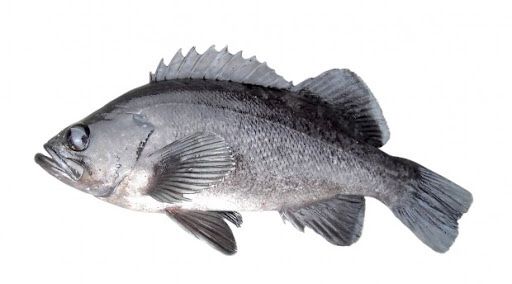 Black Rockfish
 Black Sea Bass
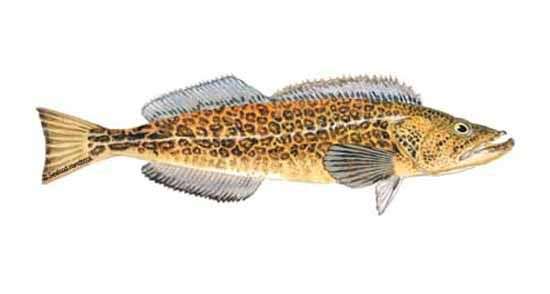
 Lingcod
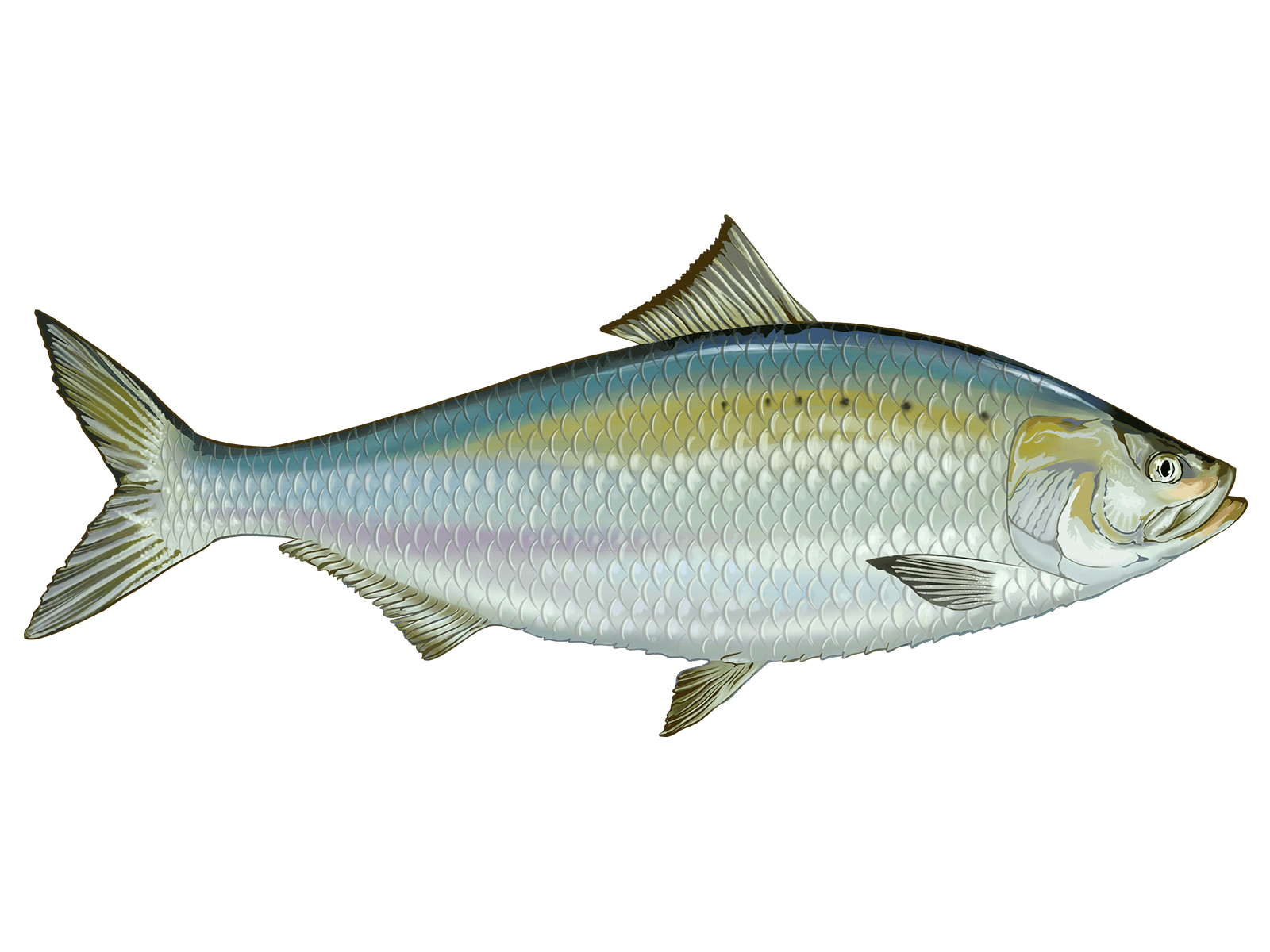
 Shad
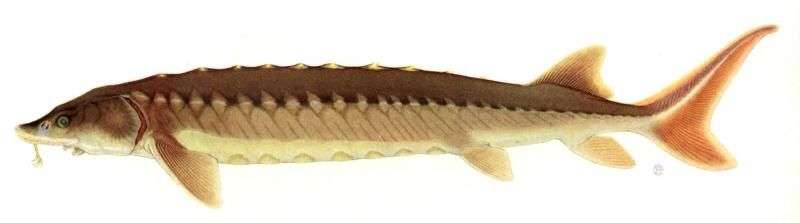
Shad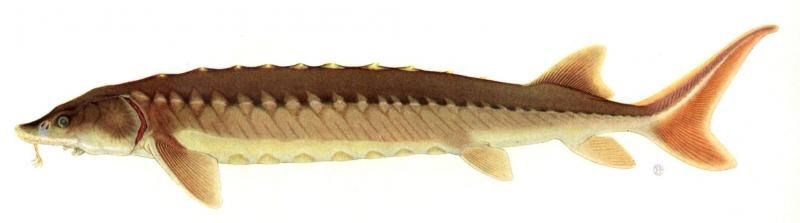 Shortnose Sturgeon
- 6-hour Columbia River offshore fishing charter departing 6 AM daily
- Expert captain provides all equipment, rods, reels, and bait included
- Targets salmon and sturgeon with flexible scheduling options available
Trip Pricing and Availabilities:
Reel in Adventure: Astoria's Offshore Bounty
Ready for some serious rod-bending action? Fish Food Guide Service has you covered with our half-day offshore trip out of Astoria, Oregon. We're talking six hours of non-stop fishing for some of the Columbia River's most prized catches. Whether you're a seasoned angler or just getting your feet wet, Captain Jason knows exactly where the fish are biting and how to put you on them. We launch at the crack of dawn, but hey, that's when the big ones are hungry. Grab your rain gear and let's hit the water!
What's the Deal?
Picture this: You're cruising out on the mighty Columbia, cool morning mist in your face, anticipation building as we near Captain Jason's secret honey holes. We're after the big three - salmon, sturgeon, and whatever else decides to take a swing at our lines. The boat's prepped with top-notch gear, and the skipper's got years of local know-how to share. You just need to bring your A-game (and your fishing license). We keep it cozy with a max of two anglers, so you'll have plenty of elbow room to work those rods. No grub provided on this trip, so pack some snacks to keep your energy up - trust me, you'll need it when you're wrestling with a monster sturgeon!
Fishing the Columbia Way
Out here, we play by the river's rules. Depending on what's running, we might be trolling for salmon, dropping bait for sturgeon, or jigging for lingcod. Captain Jason's got all the gear dialed in - we're talking stout rods for the big boys and lighter setups for the finesse game. He'll show you the ropes on reading the water, setting the hook just right, and playing those fish like a pro. We might bounce around to different spots, chasing the bite as it moves. And let me tell you, when a 50-pound sturgeon decides it's go-time, you'll be glad you've got an expert at the helm guiding you through the fight of your life.
Target Species Lowdown
Shortnose Sturgeon: These prehistoric beasts are the kings of the Columbia. They can grow over 6 feet long and put up a fight that'll make your arms shake. Spring and fall are prime time for these bruisers. They love deep holes and strong current, so we'll be probing the river bottom with heavy gear and fresh bait. Landing one of these is like arm-wrestling a submarine - pure adrenaline!
Lingcod: Don't let the name fool you; these aren't your average cod. Lingcod are aggressive predators with a mouthful of teeth that would make a shark jealous. We target them year-round, but winter and early spring can be red hot. They hang around rocky structure, so precision casting and a steady retrieve are key. When a big ling slams your jig, it's like hooking into a freight train - hold on tight!
Black Sea Bass: These tasty little battlers school up around reefs and wrecks. They might not be the biggest fish in the sea, but what they lack in size, they make up for in numbers and fight. Late spring through summer is prime time. We'll use light tackle and small jigs or bait to entice them. It's fast action fishing that'll keep your rod bent all day.
Black Rockfish: Another reef dweller, black rockfish are the bread and butter of our nearshore fishery. They're abundant, hard-fighting, and delicious on the dinner table. We target them year-round, but summer is especially good. We'll use a mix of jigs and bait, fishing right up in the rocks where these guys love to hide. When you find a school, it's non-stop action!
Shad: These river herring make an epic run up the Columbia each spring, usually peaking in June. They're not the biggest fish, but man, can they pull! Light tackle is the name of the game here. We'll use small jigs or flies, and when the run is on, it's not uncommon to land 50+ fish in a day. It's a great chance to hone your skills and fill the cooler.
Time to Get Hooked
Look, I could go on all day about the fish we catch and the memories we make out there on the Columbia. But why read about it when you could be living it? Our half-day trips are perfect for getting a taste of what Astoria fishing is all about. Captain Jason's knowledge of these waters is second to none, and he's all about making sure you have a blast and catch fish. Remember, spots fill up fast, especially during peak seasons. So if you're ready to feel that rod double over with a big one, give us a shout and let's get you on the books. The fish are waiting - are you ready to meet them?
Learn more about the species
Black Rockfish
Black Rockfish are a staple for bottomfish anglers here in Astoria. These aggressive fish typically run 2-5 pounds, maxing out around 10-11 pounds. You'll find them near rocky reefs and kelp beds in 30-300 feet of water. They're year-round targets, but spring and summer often see the best action as they move closer to shore. Anglers love Black Rockfish for their hard-fighting nature and excellent eating quality. To catch 'em, use medium tackle with jigs or live bait. A local trick: try "yo-yoing" a metal jig near the bottom – the quick up-and-down motion drives them crazy. Watch out for their spiny fins when handling them. These guys often school up, so when you find one, you've likely found many. Just remember, they're susceptible to barotrauma when brought up from depth, so handle with care if you're releasing them. A reliable target that'll keep your rod bent and your cooler full!
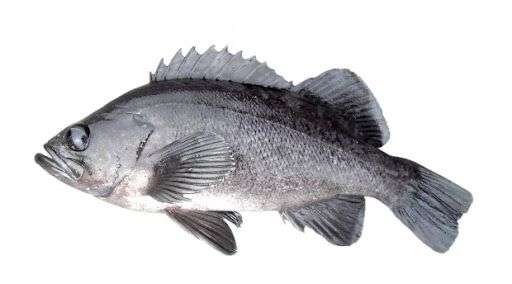
Black Sea Bass
Black Sea Bass are scrappy fighters that pack a lot of punch for their size. Most run 1-4 pounds, but can reach up to 8 pounds. You'll find them around structure – wrecks, reefs, and rocky bottoms – typically in 60-120 feet of water. Late spring through summer is prime time, as they move inshore to spawn. Anglers love targeting these fish for their aggressive bite and excellent table fare. They put up a good scrap until they break the surface, then often come in quietly. To catch 'em, use a medium-weight rod with 20-30 pound line. Drop your bait to the bottom – squid strips work great. A local tip: once you find a school, they'll bite fast. Get your line back down quickly, as the action can be over in minutes once the school moves on. Remember, the bigger males tend to hang in deeper water, so don't be afraid to explore different depths.
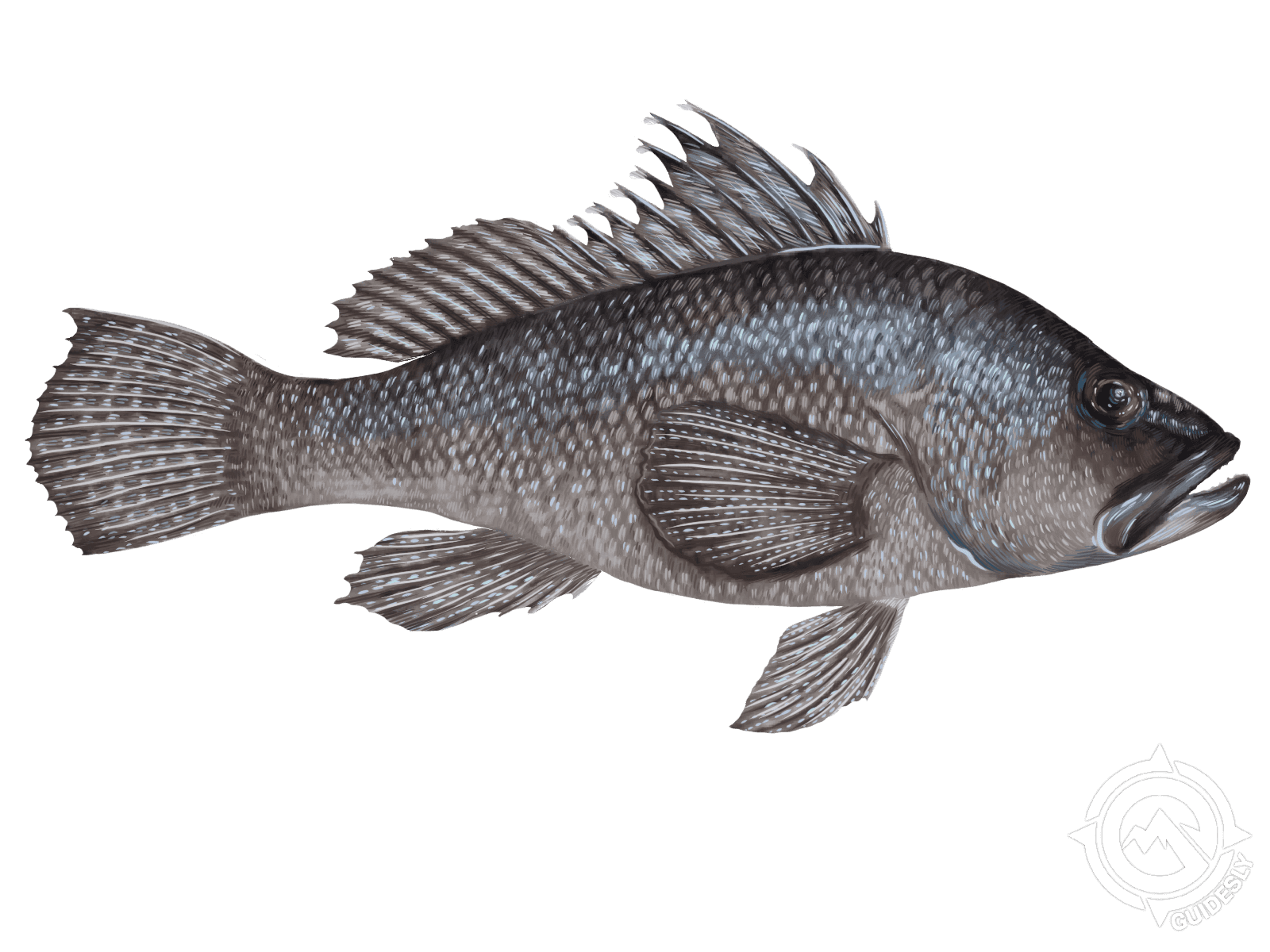
Lingcod
Lingcod are the bulldogs of the Pacific, with big heads and mouths full of teeth. These aggressive predators typically run 24-36 inches, but can hit 60 inches and 85 pounds. Look for them around rocky reefs and kelp beds, from 30 to 300 feet deep. They're year-round targets, but winter's spawning season can be hot. Anglers love lingcod for their hard fights and tasty white meat. These ambush predators aren't speed demons, but they'll put up a stubborn battle. To land one, try jigging metal lures or dropping live bait near the bottom. A local trick: use a large, bright-colored jig as your weight, with a live bait or plastic swimbait trailing behind. Lingcod can't resist attacking that combo. Just watch those teeth when you're unhooking them – they've earned their nickname "buckethead" for a reason!
Shad
Shad are like little silver torpedoes, usually running 2-4 pounds but can hit 12 pounds. They're anadromous, meaning they live in the ocean but run up rivers to spawn. Here in the Columbia, we see them from May through July. Look for them in faster currents near shore, often within 30 feet of the bank. Anglers love shad for their hard fights on light tackle and their tasty roe. These fish are speed demons when hooked, often jumping and running like mini tarpon. To catch 'em, use light spinning gear with small, bright lures. A local secret: try a red and white dart on a light leader. Cast across current and let it swing – when you feel that thump, set the hook hard! Shad are also great for introducing kids to fishing, as the action can be fast and furious when you find a school. Just watch those sharp scales when handling them.
Shortnose Sturgeon
Shortnose Sturgeon are prehistoric-looking fish, growing up to 4-5 feet long and weighing 60 pounds. They're bottom dwellers, hanging out in deep river channels and estuaries. These guys are rare catches, protected as an endangered species. You'll find them in the Columbia River, usually in deeper spots with rocky bottoms. Spring and fall are your best bet for hooking one. Anglers love 'em for their powerful fights and unique appearance - they look like living fossils with those bony plates. If you're lucky enough to land one, we practice catch and release to protect the population. Use heavy tackle and fish near the bottom with natural baits like worms or cut fish. Remember, patience is key - these sturgeon can be slow to bite, but the wait is worth it for a chance at this living dinosaur.
About the Fish Food Guide Service
%2F%2Fusers%2F47bf8443-0ad9-413f-a5b6-61af8d482a82%2Fvehicle_picture%2Fscreenshot2024-10-25224029.png&w=1920&q=75)
Vehicle Guest Capacity: 6
Manufacturer Name: Mercury
Maximum Cruising Speed: 40
Number of Engines: 1
Horsepower per Engine: 250
Hop aboard for a laid-back 6-hour fishing adventure on the Columbia River in Astoria, Oregon with Fish Food Guide Service. We'll be targeting salmon, sturgeon, and other local fish, making this trip perfect for anglers of all skill levels. Captain Jason knows these waters like the back of his hand and will share his expertise to help you land some great catches. We provide the rods, reels, and bait - you just need to bring your personal gear and fishing license. Our trips typically start bright and early at 6 AM, but we can be flexible to work with your schedule. With access to some of the best fishing spots around, you're in for a fun and productive day on the water. To lock in your spot on this popular charter, we do require a non-refundable deposit. Get ready for a rewarding day of fishing in beautiful Astoria!